

Served With Divorce Papers in Encino? What to Do in the First 10 Days
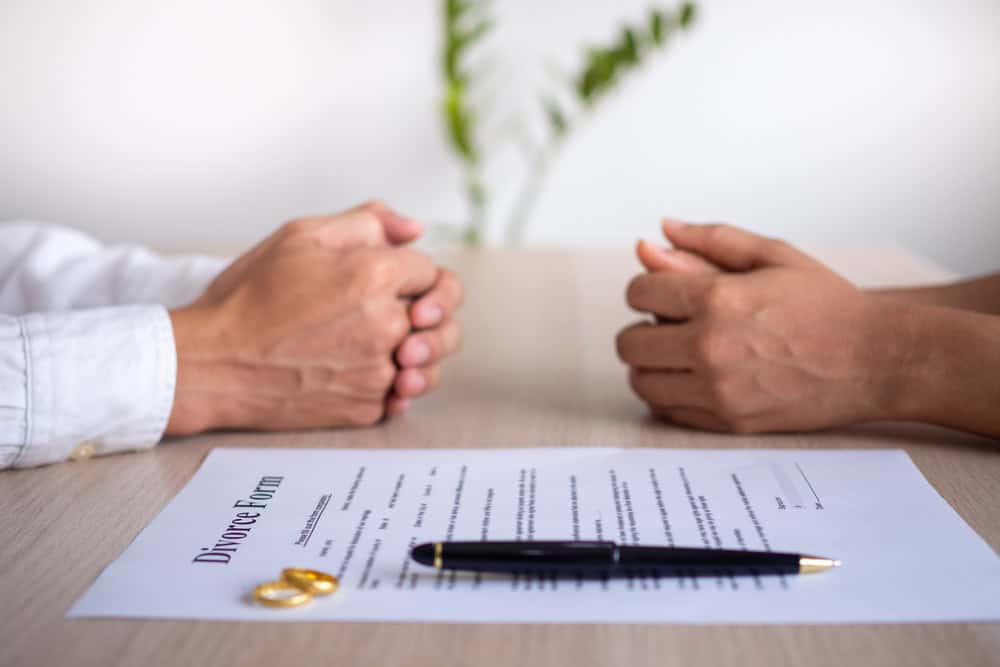
Being served with divorce papers can feel overwhelming, especially when the documents arrive without warning. Knowing what the paperwork means and what you must do next is essential.
For individuals in Encino, the process follows California’s family law rules, and the first ten days after service often set the tone for the rest of the case. This guide explains each step clearly so you know what to expect and how to stay organized.
Understanding What It Means to Be Served in a California Divorce
Service of divorce papers begins the legal process. It tells the court that the other party has officially notified you of the case. In California, the packet usually includes a Petition for Dissolution and a Summons.
You may also receive forms related to child custody, property, or temporary orders. These documents outline what your spouse is requesting.
The date you were served is essential because it starts the clock on important deadlines. Every California divorce depends on proper service of process, and the court cannot move forward without it.
If you live in Encino, your case will fall under the Family Law Division of the Los Angeles County Superior Court. Knowing where your case will be handled helps you understand future steps.
The First 10 Days: Immediate Steps to Take After Being Served
The first ten days after being served are your opportunity to get organized and understand what the divorce documents mean. Taking a calm, structured approach helps you stay in control of upcoming deadlines.
Key actions to focus on during this period include:
- Carefully read the Summons and note any Automatic Temporary Restraining Orders that limit financial or parenting changes.
- Review the Petition to see the requests regarding custody, support, and property.
- Check whether all required documents were included and promptly request missing forms if needed.
- Note the service date and begin gathering information for your Response.
Taking these steps in the first ten days creates a strong foundation for meeting deadlines, understanding your rights, and preparing for the next stage of the California divorce process.
 Deadlines You Cannot Miss in a California Divorce
California law gives you 30 days from the date of service to file a Response, known as Form FL-120. This deadline is strict. If the court does not receive your Response by day 30, you may face a default divorce. When a default occurs, the court could grant what your spouse requested because you did not participate.
Extensions are sometimes possible, but only when both sides agree or when the court approves additional time. Tracking the deadline early in the process makes it easier to prepare your Response without rushing.
Understanding the Forms You May Need to File
The Response (Form FL-120) is the primary document you file to participate in the case. It tells the court whether you agree or disagree with the requests listed in the Petition for Dissolution.
If property division is an issue, you may also need a Property Declaration. Parents may need to file a UCCJEA form to explain where the children have lived during the past five years.
If temporary orders are needed for support or custody, the court allows you to file a separate request. Not all documents must be filed within the ten-day window. However, reviewing what applies to your situation early helps you meet upcoming deadlines. These forms become part of the California family court process and play an important role later in the process.
Early Considerations: Rights, Obligations, and Temporary Orders
Once you are served, specific rules automatically apply. The Summons activates Automatic Temporary Restraining Orders. These rules protect both spouses while the case is pending.
They prevent actions such as closing accounts, transferring property, or removing children from California without permission. The Summons automatically activates temporary restraining orders that restrict both spouses from making significant financial or parenting-related changes.
Temporary orders may also become an issue early in the case. Your spouse may request temporary child support, spousal support, or custody arrangements. Before the court makes a decision, you will have the chance to respond.
You’ll also be required to exchange preliminary financial disclosures later. These disclosures outline income, assets, and debts, helping the court make fair decisions.
 California Divorce Response Timeline
The following table outlines the typical timeline from the first day you receive divorce papers to the final response deadline.
|
Step |
Timeframe |
Why It Matters |
| Review Petition and Summons | Days 1–3 | Understand requests and restrictions. |
| Confirm service date | Days 1–3 | Sets your 30-day response deadline. |
| Review ATROs | Days 1–5 | Avoids violations of automatic restraining orders. |
| Plan your response strategy | Days 3–7 | Helps you prepare the right forms. |
| Start completing Form FL-120 | Days 5–10 | Prevents last-minute filing issues. |
| File your Response | By Day 30 | Avoids default judgment. |
Proof of service must be completed appropriately before the court can proceed with a California divorce.
When to Seek Guidance From a Family Law Professional
Some situations benefit from early legal guidance. These include cases involving children, business ownership, significant property, or disagreements about temporary orders, often requiring careful planning.
A family law professional can explain the documents you received, helping you understand how California’s divorce rules apply to your situation. Pedrick Law Group works with individuals in Encino to review forms, identify the following steps, and prepare for the California divorce process. Speaking with a legal professional is not required, but many people find that it helps them avoid problems down the road.
Our clients have confirmed that early understanding often prevents confusion and missed deadlines.
Frequently Asked Questions
What happens if I do nothing after being served with divorce papers?
A default judgment may occur, allowing the court to grant your spouse’s requests without your input or participation in the case.
Do I need to respond if I agree with the Petition?
Yes. Filing a Response protects your right to participate in issues involving property, custody, and support, even when you agree.
Can I get more time to file my Response?
Sometimes. Extensions may be allowed when both parties agree or when the court approves a request for additional time.
What if some documents were missing from the service packet?
You can request the missing documents. Improper service can affect deadlines, but it must be addressed correctly to avoid delays.
Are automatic restraining orders strict?
Yes. These rules apply from the date of service and prevent financial or parenting-related changes until the case moves forward.
Do I need financial disclosures right away?
Not immediately. Preliminary financial disclosures are required, but they do not have to be completed within the first ten days.
Conclusion
The first ten days after receiving divorce papers in Encino are critical. Reviewing the documents, knowing your deadlines, and planning your Response helps you stay in control early on. These steps prevent rushed decisions and lower the risk of a default.
Pedrick Law Group supports individuals who want clarity during this process. If you would like guidance on your documents, deadlines, or California divorce procedures, you can request a free consultation to understand your options and plan your next steps with confidence.