

Temporary Orders In California Divorce: What Can The Court Decide Before Trial?
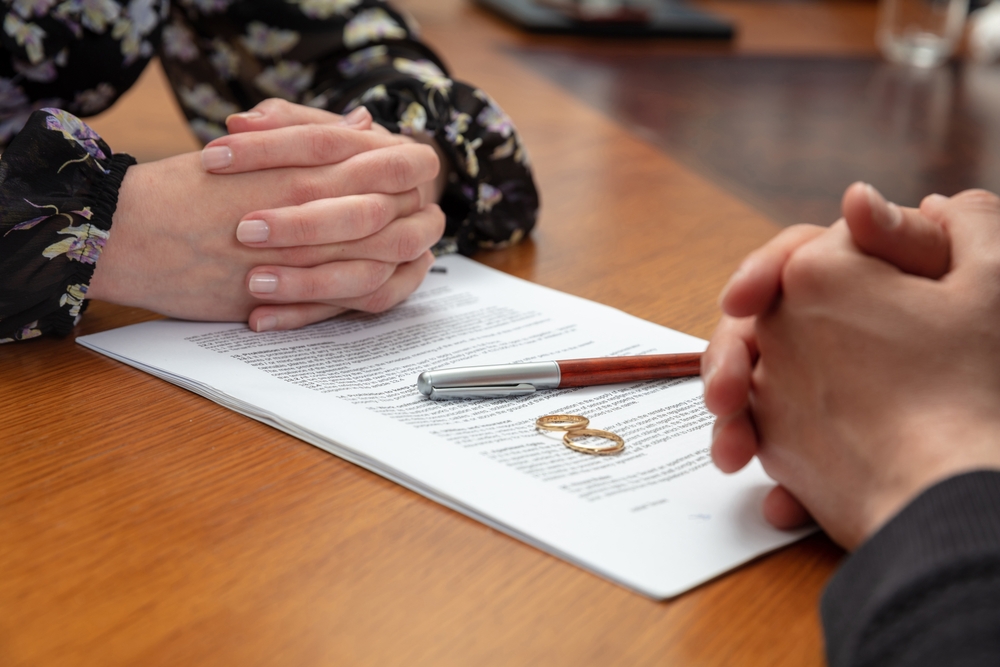
A California divorce can take months or even longer to finish. During that time, children still need a schedule, household bills must be paid, and both spouses need clear rules about money, property, and the family home.
Temporary orders allow a judge to handle these issues while the case is pending. They may cover child custody, parenting time, child or spousal support, bills, attorney fees, and use of certain property.
This guide explains what temporary orders can cover, how to request them, and when they may be changed.
Orders That Apply Automatically
Some restraining orders take effect as soon as a California divorce begins. Neither spouse has to request them, and no hearing is required.
These rules appear on page two of the Summons, Form FL-110. They apply to the spouse who files the case when the papers are filed and to the other spouse once the papers are served.
The orders generally stop either spouse from taking minor children out of California without written consent, selling or transferring property for reasons other than normal business needs, or changing insurance beneficiaries.
Many people overlook this page, but the orders are enforceable. Breaking them may lead to contempt and can also affect how property is divided later.
What a California Judge Can Decide Before Trial
A judge can make temporary orders on many issues while a divorce is pending.
- Child custody and parenting time. The court may decide legal custody, physical custody, weekly schedules, holidays, and exchange details. Clear terms can help prevent later disputes.
- Child support. California uses a statewide formula based on income and parenting time. Changes that took effect on September 1, 2024, updated the formula, low-income adjustment, and how certain childcare costs are shared.
- Temporary spousal support. Family Code Section 3600 allows support while the case is open. Courts often use local formulas for temporary support, while long-term support is based on the factors in Section 4320.
- Use of the home and vehicles. A judge may decide who stays in the family home or uses certain property until the final division is made.
- Bills and legal fees. The court may assign responsibility for the mortgage, utilities, insurance, and other costs. It may also order one spouse to help pay the other’s attorney fees when needed to provide fair access to legal representation.
These orders are temporary, but they may remain in place for months. A parenting schedule that works well during the case can also influence later custody decisions. That makes the first temporary-order hearing more important than many people expect.
 How The Request For Order Process Actually Runs
|
Step |
Form or rule |
Timing |
| Automatic restraining orders take effect | Summons (FL-110), Fam. Code 233 | On filing; on service for respondent |
| Request for Order filed | FL-300 | Any time after the petition is filed |
| Income and expense declaration | FL-150 | Filed with the request when support is at issue |
| Personal service on the other party | Cal. Rules of Court | At least 16 court days before the hearing |
| Responsive declaration served | FL-320 | At least 9 court days before the hearing |
| Hearing | Family law department | Often 4 to 10 weeks out |
| Emergency orders, when justified | FL-305 | Heard on shortened notice |
A court day excludes weekends and court holidays, so 16 court days is roughly three calendar weeks. The California Courts self-help guide sets out the forms and deadlines.
Emergency orders on form FL-305 exist for genuine urgency, and the bar is high. A judge is looking for immediate harm or irreparable injury, not inconvenience. Hostile text messages usually do not qualify. One-way international tickets booked for the children do.
How Temporary Support May Add Up
Take an Encino family with two children. One spouse earns $14,000 a month, while the other brings in $3,000. The higher earner has children about 30% of the time.
In a case like this, child support could fall between $2,000 and $2,800 a month. Temporary spousal support may add another $1,800 to $2,500. Combined payments could reach roughly $4,000 to $5,000 each month.
If the divorce lasts 18 months, the total may fall between $72,000 and $90,000.
The filing date matters. Temporary support can often start from the date the request was filed, not the date of separation. Waiting three months to file could mean missing three months of support.
 Frequently Asked Questions
How long does it take to get temporary orders in Los Angeles County?
Filing to hearing commonly runs four to ten weeks depending on the department’s calendar. Emergency requests are heard faster but are limited to immediate-harm situations.
Can I get temporary orders before filing for divorce?
Usually not. The divorce case must be open before you file a Request for Order. Domestic violence restraining orders follow a different process.
Do temporary orders decide who keeps the house?
No. Exclusive use only decides who may live there during the case. Ownership and division are decided in the final judgment.
Will the temporary support number become my permanent number?
Not necessarily. Temporary support is set by a county guideline formula while long-term support is decided under the section 4320 factors, and our overview of California spousal support explains the distinction.
Get the Right Orders in Place Early
A divorce may take months to finish, but temporary orders start affecting daily life much sooner. They can decide where the children stay, who pays support, who remains in the home, and how household bills are covered.
Although these orders are not final, they often stay in place for a long time. A schedule or payment arrangement that works during the case may also influence what the court decides later.
Pedrick Law Group, APC helps clients prepare for temporary order hearings in Los Angeles and Orange County. Gregory J. Pedrick is a Certified Family Law Specialist through the California Board of Legal Specialization. Contact the firm to discuss the next steps in your case.
You can read more about the firm’s family law practice or call to arrange a consultation.
Sources
- California Courts Self-Help Guide – Request for Orders (FL-300)
- California Courts – Summons (form FL-110)
- California Legislative Information – SB 343, Child support (eff. Sept. 1, 2024)